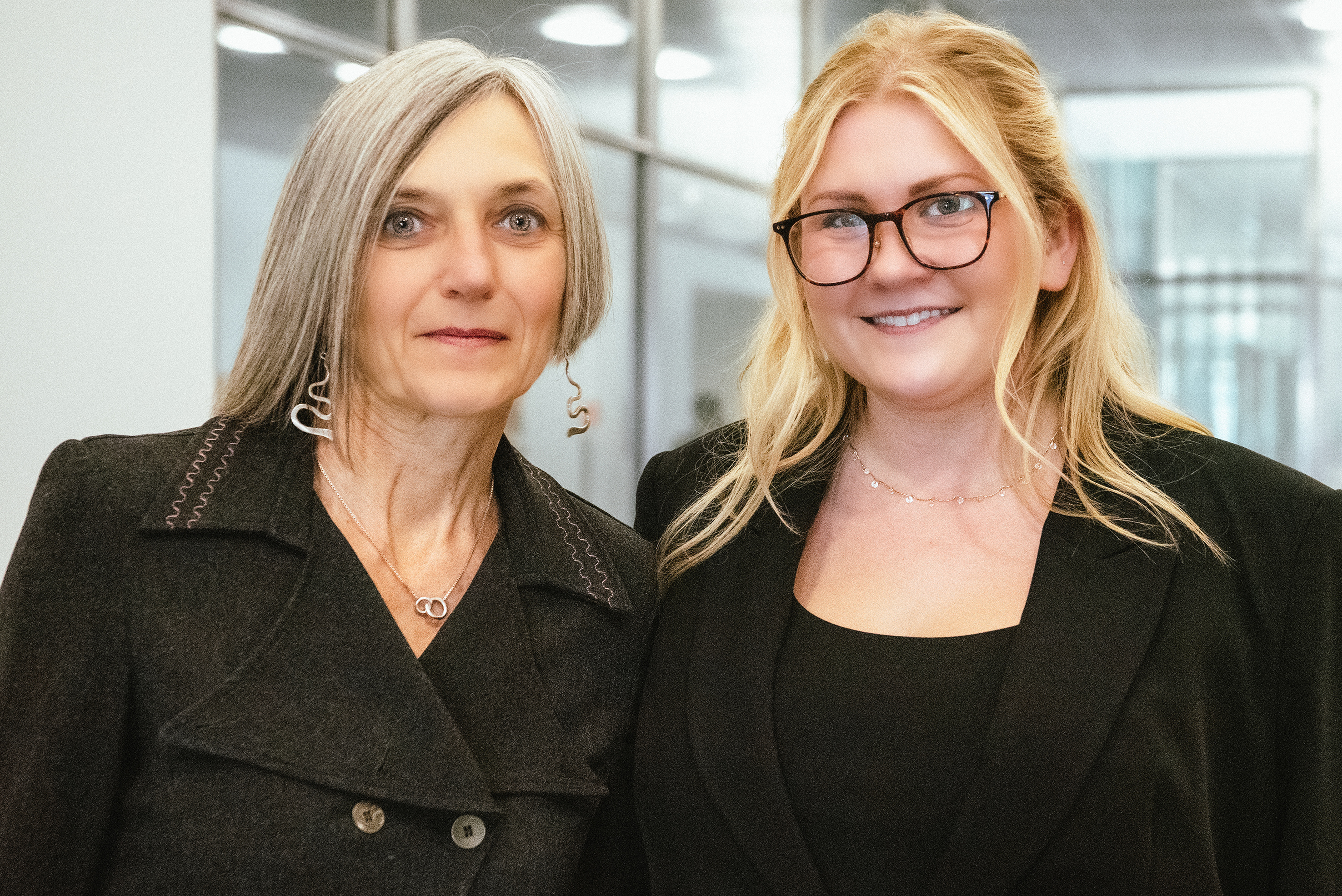
Craniofacial development is a highly complex process that involves the coordinated growth migration and fusion of developing facial structures. Craniofacial morphogenesis is strongly influenced by genetics. The focus of Emily’s thesis was to investigate the contribution of the gene ARHGAP29 during this process. She specifically asked what roles ARHGAP29 plays in different cell types that give rise to the face and palate. She found that loss of ARHGAP29 from some, but not all cell types cause cleft palate. She next investigated the molecular mechanism of ARHGAP29’s contribution to craniofacial development. She found that the epithelial loss of ARHGAP29 results in changes in the properties of epithelial cells thereby altering their behavior during palatogenesis. This body of work contributes to the field as it has shed light on the molecular mechanisms regulating palate development during craniofacial morphogenesis and how these mechanisms are altered with clefting.
"Deciphering the tissue-specific roles of ARHGAP29 during palatogenesis"
Monday, February 16, 2026
Gallery